Web application development
Fast, accessible web applications — dashboards, portals and customer-facing products.
Applications that run in the browser and are meant to be used daily: dashboards, admin tools, customer portals and full products. We build them to be quick, accessible, and maintainable by whoever picks them up next.
Custom web applications built for daily use
A web application is software people rely on every day — a customer portal, an operations dashboard, an internal admin tool, a SaaS product with paying users. Our web application development covers the full build: interface design, the frontend, the backend and database, authentication and permissions, payments, deployment and monitoring.
We build custom web apps for the cases off-the-shelf software does not cover: a process currently held together by spreadsheets, a portal your customers need alongside an existing service, or a product MVP that has to keep working once real users arrive. Every application is responsive across the screen sizes it is actually used on, checked for accessibility with a keyboard and a screen reader, and measured for speed on an ordinary phone rather than a developer's laptop.
You see a running application on a private link from early in the build, not a reveal at the end. When it launches, the code goes into your repository and onto your infrastructure, with documentation written for whoever maintains it next. We work from Business Bay, Dubai, with clients in the UAE and abroad.
What it covers
- Interface and interaction design
- Frontend build with a component system
- Backend, database and API work
- Authentication and permissions
- Deployment, monitoring and handover
Often a fit when
- Replacing a process currently held together by spreadsheets
- A customer-facing portal alongside an existing service
- A product MVP that has to hold up once real users arrive
Process
How we work
What happens after you say yes, in order. Every step produces something you can see rather than a status update.
Scope, in writing
A week or less. We work out what the application has to do, who uses it, and what it has to connect to — then write it down with a price and a date against it. If the scope is genuinely unclear, we say so and propose a short paid discovery instead of guessing at a number we would later have to revise.
Flows before screens
We map the paths people take through the product and the states each screen can be in — empty, loading, error, permission denied. Getting this wrong is what causes redesigns halfway through a build, and it is much cheaper to fix in a diagram.
Interface and design system
Screens designed across the breakpoints they will actually be used at, built on a system of tokens and components rather than one-off layouts. That is what keeps the tenth screen consistent with the first.
Build, in working increments
You get a running application on a private URL from the first week, updated as we go. No eight-week silence ending in a reveal — you see it early enough that a change of mind is still cheap.
Hardening
Permissions, error handling, the states nobody demos. Accessibility checked with a keyboard and a screen reader, not assumed. Performance measured on a mid-range phone rather than the machine it was built on.
Launch and handover
Deployment, monitoring so you find out before your users do, and documentation written for whoever picks it up next — including if that is not us. Ownership of what we built transfers to you on final payment.
What we build with
We choose per project rather than fitting every problem to the same tools. These are what we work across most.
Interface
- React
- Next.js
- TypeScript
- Tailwind CSS
- Vue / Nuxt
Backend and data
- Node.js
- Python
- PostgreSQL
- MySQL
- MongoDB
- Redis
- REST and GraphQL APIs
Infrastructure
- Vercel
- AWS
- Docker
- CI/CD pipelines
- Automated testing
Auth and payments
- OAuth and SSO
- Role-based access control
- Stripe
- Regional payment gateways
Already have a stack?
If you already have a stack, we work in it. Most of what we are asked to do is add to something that exists rather than start from nothing, and a rewrite proposed on day one usually says more about the agency's preferences than your product's needs. We will tell you plainly if what you have is genuinely holding you back — and equally plainly when it is fine and the problem is somewhere else.
Work in this discipline
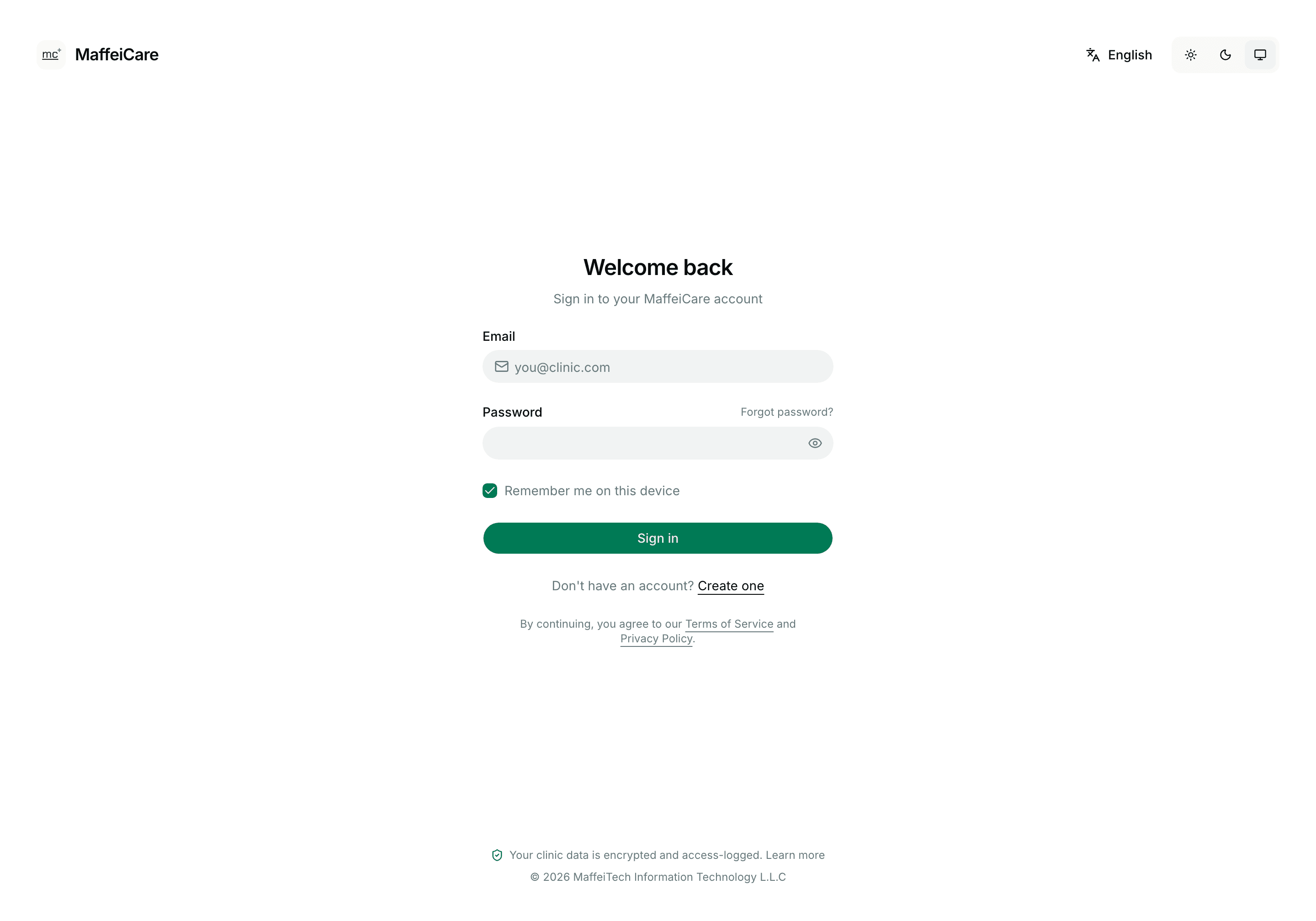
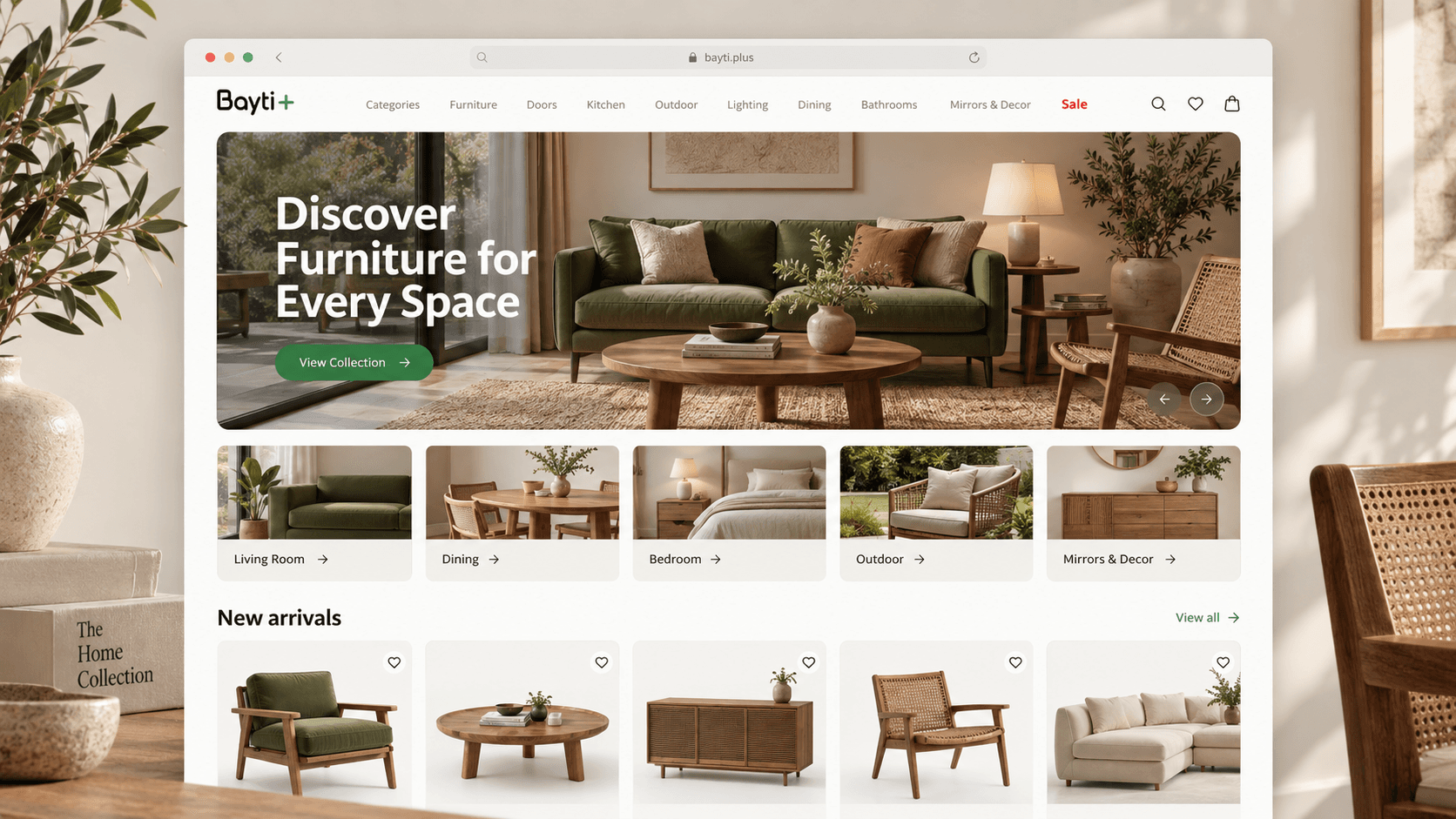
Projects where web application development was part of the engagement.
Web apps: questions we get asked
Talk to us about web application development
Tell us what you are trying to build and we will scope it with you.